
Blog
Hazardous Waste Management Software India | EHSSaral
EHSSaral is an Environmental Compliance Intelligence Platform for Industries. Consent Intelligence • Alerts & Tasks • Incident Reporting • Form IV & V • Audit-Ready Records
See how EHSSaral works
5 Jan 2026
Home > EHSShala > Start > What Is EHS & Why India Needs It
If you’re new to the EHS world-maybe you just joined a company, or you’re planning to build your career in Environment, Health & Safety-this is the best place to start.
I’m writing this not as a textbook explanation, but as someone who has spent 30+ years on factory floors, inside pollution control rooms, doing audits, sampling at 3 AM, sitting with MPCB officials, calming nervous EHS juniors before audits, and helping industries figure out what “compliance” really means.
EHS is not about files.
It’s not about fear of inspections.
It’s not about PPE posters.
EHS is about making sure people go home safe, the environment stays healthy, and industries grow without harming anyone.
Let’s break it down in the simplest, most practical way.
Most newcomers think EHS means:
All of this is EHS work-but it’s not the meaning of EHS.
EHS is actually about preventing problems before they happen:
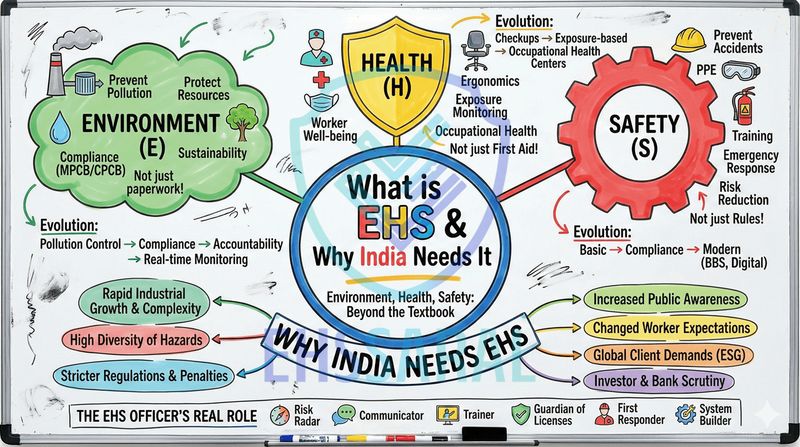
EHS → Environment + Health + Safety
Three pillars that protect workers, industries, and society.
But here’s something juniors rarely understand:
In India, EHS is not just a department.
It’s a responsibility shared by everyone-from production to HR to top management.
Once you understand this mindset, your EHS journey becomes much easier.
Let’s decode EHS like a senior would explain to a new joinee:
Everything you do to prevent pollution and protect natural resources.
Everything you do to protect workers from illness, exposure, fatigue, and ergonomic hazards.
Everything you do to prevent accidents, injuries, fires, and emergencies.
You will do all three every day, directly or indirectly.
But here’s the catch:
Most factories in India focus heavily on Safety, a bit on Environment, and almost ignore Health.
Now let’s go deeper into each pillar with real-world context.
Start Learning about EHS in India.
When I started in the early 90s, "environment" in factories meant one thing:
“Keep MPCB happy.”
Over the years, I’ve seen the evolution happen in 4 phases:
This is why environmental knowledge is no longer optional for EHS officers.
Here are the mistakes I have seen repeatedly:
And here’s the harsh truth:
80% of environmental penalties happen due to paperwork issues-not actual pollution.
This is why systems like EHSSaral matter-they prevent human errors.
A factory once mixed stormwater with effluent water during heavy rainfall.
They didn’t do it intentionally-it was simply poor pipeline management.
Result?
Lesson for juniors:
Never ignore flow direction, pipelines, and bypass lines.
Environmental compliance is 50% understanding your site’s physical layout.
Even experienced EHS managers follow these basics every single day.
If Environment is misunderstood, Health is almost forgotten.
When I ask juniors “What is H in EHS?”, their answers are usually:
Health is much bigger than that.
Industrial health means preventing long-term damage to workers, not just treating issues after they occur. In India, this part of EHS has started getting attention only in the last decade.
Let’s decode it deeply.
Industries started understanding:
Worker health became linked to job profile.
This shift happened because industries finally realized:
A healthy workforce gives higher productivity than any machine upgrade.
Health is not document work.
It’s risk-based planning.
At a chemical factory, a group of workers handling solvents complained of:
The factory doctor said, “Normal seasonal issue.”
But an EHS officer insisted on VOC monitoring near the workbench.
Readings were 24 times higher than safe limit due to improper ventilation.
Workers had been inhaling fumes for months.
The moment ventilation was fixed:
Lesson:
If you ignore Health, the impact doesn’t appear immediately like a fire or injury…
but the damage is deeper and long-lasting.
A good EHS officer is one who catches issues before they become medical cases.
Safety is the most visible part of EHS.
It’s the part everyone sees:
But here’s a senior-level truth:
Safety failures don’t happen because people don’t know safety rules.
They happen because people don’t follow them consistently.
Let’s break it down.
Industries realized one thing:
Safety is cheaper than accidents.
And the classic one:
“Sir, we told them, but they didn’t listen.”
This happens when juniors talk safety like a rulebook.
Talk like a teammate, and behavior changes.
One of the most unforgettable incidents:
A contractor entered a storage tank without gas testing.
He felt dizzy and collapsed.
Another worker jumped in “to save him” - he collapsed too.
This is how 90% of confined space deaths happen:
one person goes down, and three people try to rescue… all get trapped.
Luckily, this case was saved because:
Lesson:
Confined spaces kill more people due to panic rescue attempts than the initial hazard.
A safe factory looks boring - and that’s the goal.
If you ask any senior EHS professional, “Why does India need strong EHS systems?”, they’ll never give you a textbook answer.
They’ll talk about:
But more importantly, they’ll talk about the future.
India is not the same country it was in the 90s or even in the 2000s.
Industries have become faster, bigger, and more complex.
With that growth comes higher risk.
Let’s break down the real reasons-simple and practical.
India is expanding faster than its safety culture.
Factories are being built:
But the EHS awareness of the workforce often grows slowly.
This mismatch creates risk.
In a single industrial zone, you’ll find:
Each industry has completely different environmental and safety challenges.
EHS officers must adapt rapidly.
MPCB/CPCB are no longer accepting excuses like:
With real-time monitoring (OCEMS) and satellite tracking:
Today, one small pollution incident goes viral:
People now understand:
This is good for society… but increases pressure on industries.
The older generation accepted accidents as “part of factory life”.
The new workforce demands:
Worker unions are also more aware of their rights.
Global companies now ask:
If you fail EHS audits, you lose:
A factory with poor EHS performance is considered:
So even loans and investments depend on EHS culture now.
If you want to grow in EHS, you must understand this section deeply.
Juniors think their job is:
But the real job is much bigger.
Here’s what senior management actually expects from you:
Your job is to sense problems before they become:
This requires:
A good EHS officer understands:
Your work is not to fight production…
Your work is to make production safe and compliant.
If you only shout “Wear PPE!”, people will ignore you.
If you explain “WHY”, people will follow you.
EHS officers who communicate well rise faster.
Documentation is not “file work”.
It is:
Industries lose crores just because of missing documents.
A single missed renewal or condition can:
EHS officers who maintain compliance calendars are always respected.
Workers first learn EHS from you.
If you train them well:
If you train poorly, everything collapses.
During:
People look at the EHS officer first.
Your calmness decides the outcome.
| Pillar | What It Covers | Common Mistakes | Best Practices |
|---|---|---|---|
| Environment | Pollution control, waste, emissions, consents, monitoring. | Poor documentation, missed sampling, wrong disposal. | Sampling calendar, proper manifests, log maintenance. |
| Health | Worker health, exposures, ergonomics, medical records. | No baseline tests, generic checkups, no follow-up. | Exposure-based tests, record-keeping, ergonomics checks. |
| Safety | Injury prevention, PPE, PTW, emergency response. | PPE-only focus, weak training, poor contractor safety. | BBS, PTW discipline, follow-up on near-misses. |
Reality: Accidents cost 10x more than prevention.
Reality: Every department owns safety; EHS only guides.
Reality: They listen when explained properly and consistently.
Reality: Compliance delayed = penalties guaranteed.
Reality: Audits exist so accidents don’t happen.
A factory faced repeated water contamination.
Everyone blamed the ETP vendor.
Turns out:
A bypass pipe was leaking slightly-just 2–3 drops per second.
That leak polluted thousands of liters over a month.
Lesson:
Small leaks = big disasters.
A drum opened without grounding caused a spark.
Solvent vapors caught fire.
Damage: ₹1.8 crore.
Reason: zero static control.
Lesson:
The smallest safety rules prevent the biggest accidents.
An EHS officer insisted on an emergency drill during night shift.
Workers hated it.
But 3 months later…
a real ammonia leak happened at night.
Because of the drill, workers evacuated safely.
Lesson:
Your efforts feel useless-until the day they save lives.
EHS is not just growing… it’s transforming.
Tools like EHSSaral will:
Banks and investors will demand it.
More companies will focus on behavioral safety.
Factories will be expected to be transparent.
Not just certifications-real skill tests.
Integration of:
This is where India is heading.
EHS is not just a department.
It is the heart of responsible industrial operations.
If you're starting your EHS career now, you’re entering at the perfect time:
The future belongs to EHS professionals who:
Your journey starts here.
EHS stands for Environment, Health & Safety. It represents the systems, processes, and practices industries use to prevent pollution, protect worker health, and reduce accidents.
India’s rapid industrial growth, stricter regulations, increased public awareness, and global ESG expectations make EHS essential to operate safely and responsibly.
An EHS officer manages compliance, monitoring, audits, safety training, health assessments, risk reduction, emergency preparedness, and documentation.
Yes. With rising compliance requirements, ESG pressures, and real-time monitoring, EHS roles are in high demand and offer strong long-term career growth.
Environment deals with pollution control and regulatory compliance. Health covers worker well-being and exposure monitoring. Safety focuses on accident prevention and emergency response.
Missing documentation, poor housekeeping, weak permit-to-work practices, ignoring ergonomics, and last-minute compliance management are common issues.
Start with EHSShala's foundation modules, learn on-site operations, shadow seniors, understand regulations, and gradually specialize in environmental, health, or safety domains.

Founder, EHSSaral
Founder - EHSSaral | Partner - Perfect Pollucon | ISO 14001 Lead Auditor | GHG Protocol Scope 2 | Chemist | Data Scientist | Second-generation environmental professional simplifying EHS compliance for Indian industries through practical, automated, tech-enabled, data driven compliance workflows.
Hazardous Waste Management Software India | EHSSaral
Chemical Accidents Rules, 1996: A Practical Guide for Indian EHS Officers
MPCB Consent Guide: CTE, CTO, Renewal, Fees & Conditions | EHSShala
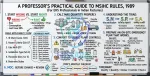
MSIHC Rules, 1989: Practical Guide for Indian Factories
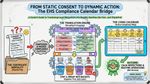
Environmental Calendar from Consent Conditions (Practical Guide) | EHSShala
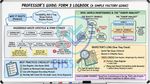
Form 3 Logbook Explained: Simple Guide for Indian Factories | EHSShala
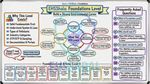
EHSShala Foundations - Core Environmental Basics for EHS Officers
Hazardous Waste All Forms Form 1 to Form 12 Guide
MPCB Consent Explained - Lessons from 25 Years of Environmental Compliance | EHSSaral
E-Waste Management Rules (2022) in India - Practical Guide for Factories | EHSShala