

Blog
Ultimate MPCB Form IV Checklist for Maharashtra Industries
EHSSaral is an Environmental Compliance Intelligence Platform for Industries. Consent Intelligence • Alerts & Tasks • Incident Reporting • Form IV & V • Audit-Ready Records
See how EHSSaral works
3 Mar 2026
 by EHSSaral v1.webp)
If you work in an Indian factory, you have probably heard this line in the last few months.
Sometimes it comes as an email.
Sometimes as a WhatsApp message from your consultant.
Sometimes as a sudden refusal:
“We can no longer sign your environmental audit.”
| Get Free Compliance Visibility in 15 Minutes Upload your Consent to Operate and instantly see extracted obligations, deadlines, reminders, and an audit-ready compliance trail. Free forever for core compliance visibility. No execution lock-in. No forced upgrades. 👉 Register free on EHSSaral |
For many EHS officers and SME owners, this feels confusing and uncomfortable.
For years, compliance worked in a familiar way:
That arrangement felt safe and efficient.
In 2025, that arrangement has officially ended.
Not because your factory did something wrong -
but because the system itself has changed.
Let’s calmly understand what has changed, and why.
 by EHSSaral.webp)
In simple terms, three things have happened together:
This change came with the notification of the Environment Audit Rules, 2025 and the launch of a new digital system called the EADA Portal.
You don’t need to remember rule numbers.
You only need to understand the practical effect.
| Preparing for the EADA Transition? Understanding why audits are now system-assigned is only the first step. In digital compliance systems, most problems don’t come from violations - they come from missed emails, delayed responses, and unclear role separation. Before the EADA portal becomes fully operational, factories should prepare for how the system will behave, not just what the rules say. 👉 Read next: EADA Random Audit Assignment: Factory Readiness Guide (2025) |
EADA stands for Environment Audit Designated Agency.
Think of it like this:
Just as:
In the same way:
EADA is the system created to separate “doing” from “checking.”
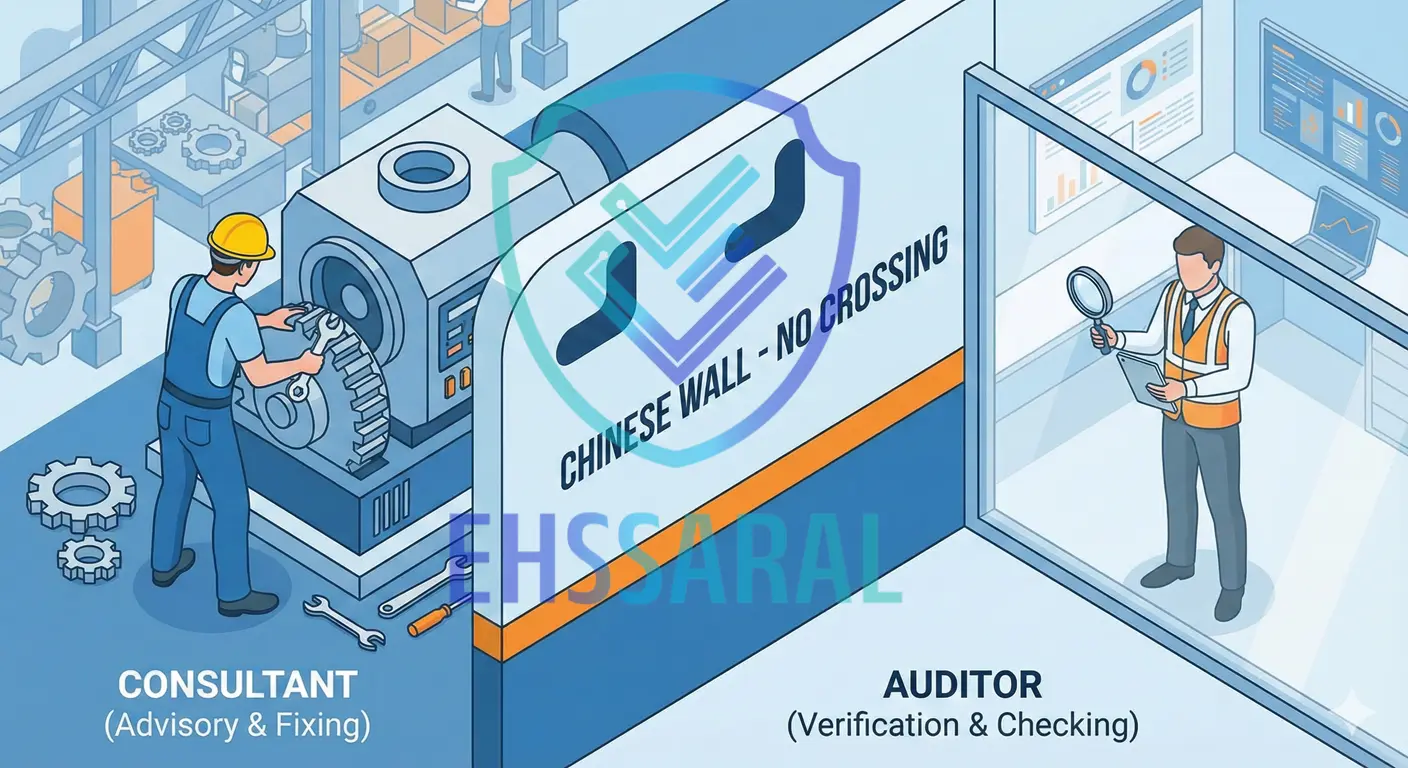
This is not new thinking.
This already exists in:
Environmental audits are now following the same discipline.
Read more about Environmental Compliance in India for SMEs
Under the new system, only a Registered Environment Auditor (REA) can sign an environmental audit.
An REA is:
This is why many consultants are suddenly saying:
“We can’t sign this anymore.”
It is not drama.
It is personal liability.
This is a fair question. In the past, anyone with a letterhead could call themselves an auditor. Now, the EADA framework (notified under Environment Audit Rules, 2025) has set a hard filter. To become a Registered Environment Auditor (REA), a professional must:
Hold a Master’s in Science or Degree in Engineering/Technology.
Pass the National Certification Exam (NCE) for freshers.
Or, clear a rigorous interview under Recognition of Prior Learning (RPL) for seniors (10+ years exp).
This is not just a form-filling job. It is a tested qualification. So when the system assigns an auditor, it is assigning someone who has proven they know the law.
This word “random” is creating unnecessary fear.
Random does not mean:
It simply means:
Earlier, audits were relationship-driven.
Now, audits are system-driven.
The intent is simple:
The person verifying your data should not depend on you for future work.
That independence protects everyone - including you.
Because the old system worked on familiarity:
The new system works on:
So naturally, factories feel:
This reaction is normal.
Almost every Red and Orange category unit is feeling this right now.
Let’s be very clear - this is important.
The problem was not consultants.
The problem was role mixing.
When the same person:
There is an obvious conflict.
The new rules simply say:
The person who helps you comply
cannot be the person who certifies your compliance.
This is about credibility, not punishment.
If you remember only one section from this article, remember this.
Ask these questions about your current consultant.
If the answer is YES to any of these, they should not audit you under the new system:
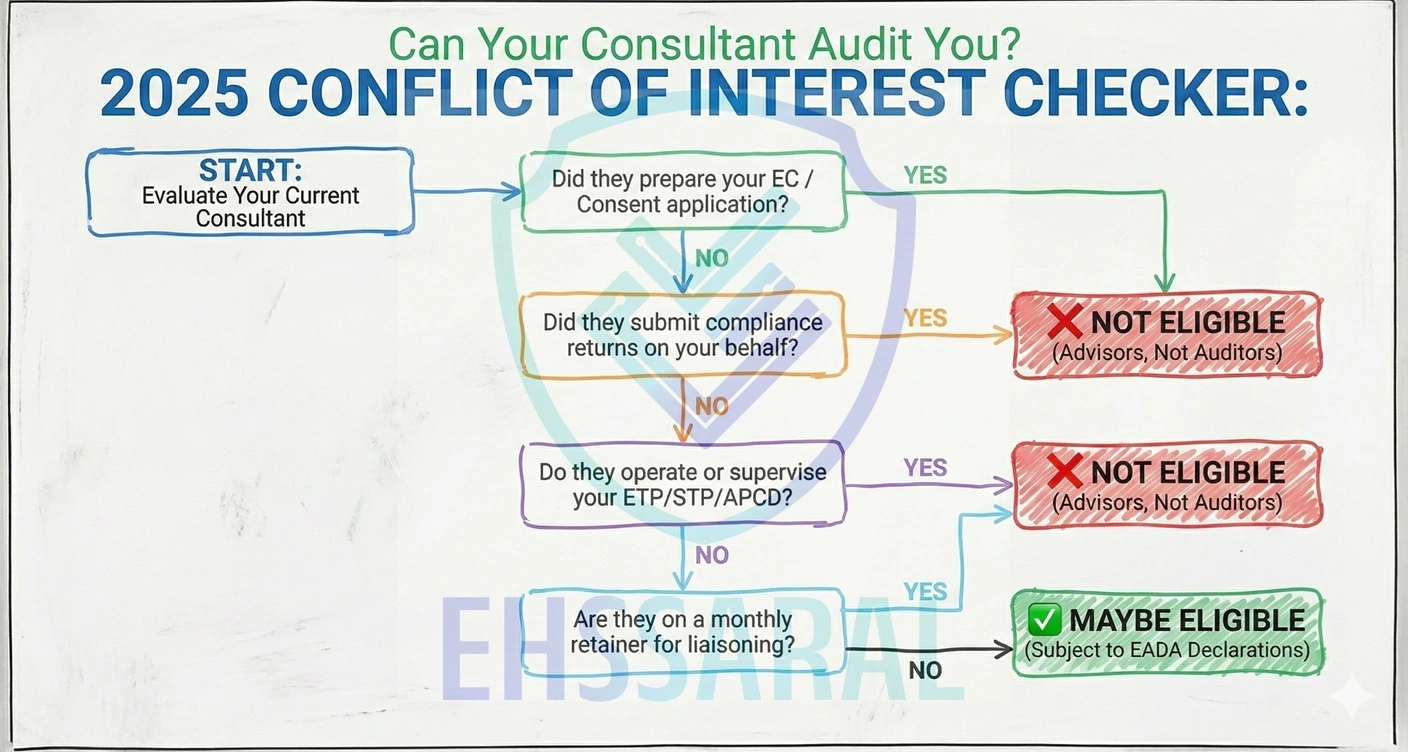
If yes -
they are advisors, not auditors.
This is not an insult.
This is role clarity.
If they helped build or fix the compliance,
they cannot grade it.
That’s it.
No complicated rules needed.
This part is not discussed openly, but you should know it.
Under the new framework:
Also, the portal now records:
Signing “from office” is no longer possible.
So when a consultant says:
“I cannot sign this now”
It is often self-protection, not arrogance.
Once the fear settles, most EHS professionals ask a practical question:
“What will this random auditor actually check when they come?”
The answer may surprise you.
Random auditors are not interested in stories.
They are also not interested in how long you have known your consultant.
They focus on evidence.
Think of them like this:
Based on what factories are seeing on the ground, auditors usually start with:
They are looking for patterns, not perfection.
This is important for junior EHS officers to hear.
Most auditors:
They also don’t care about:
This is not harshness.
This is how audits work when systems mature.
This is the biggest mistake factories are making right now.
What usually happens:
The problem is:
Late fixes raise more suspicion than honest gaps.
Earlier, many audits worked like this:
That behaviour is risky now.
Under the new system:
If guidance is needed, it must happen before the audit - not during it.
This is very common with sincere EHS officers.
You explain:
The auditor listens politely.
Then asks:
“Can you show the record?”
If the record doesn’t exist, the explanation doesn’t help.
Audits run on evidence, not effort.
This needs to be said clearly, without judgement.
Under the new system:
Trying to influence the audit:
Professional distance is now normal - not personal.
Factories that are handling this transition well are doing a few simple things.
Nothing fancy.
They understand:
This protects:
This separation is not extra work - it’s cleaner work.
They ensure:
Auditors prefer honest gaps over artificial perfection.
Good factories:
They don’t wait for the auditor to find issues.
Before any audit, ask yourself:
If you can answer calmly, you are already ahead.
Many juniors feel:
“I don’t control budget or vendors - how is this my fault?”
It is not.
Your role is:
A clean audit starts with discipline, not authority.
This may not be obvious today, but it will be clear in a year or two.
Independent audits:
Over time, factories with clean records face less friction, not more.
After understanding the new audit system, most EHS professionals reach this point:
“Okay, rules have changed.
What should I do now, practically?”
This section answers that - without panic.
No theory.
No pressure.
Only actions you can take inside a factory.
The biggest mental shift required in 2025 is this:
So, be clear internally:
Once this is accepted, half the anxiety goes away.
Many factories are spending energy on:
This doesn’t help anymore.
Instead, focus on:
A random auditor becomes less scary when your data is clean.
This sounds obvious, but it’s not how most records are maintained.
Ask yourself honestly:
Auditors are trained to spot:
Natural, imperfect data is safer than “perfect” data.
You don’t need an external expert for this.
Sit with your internal team and check:
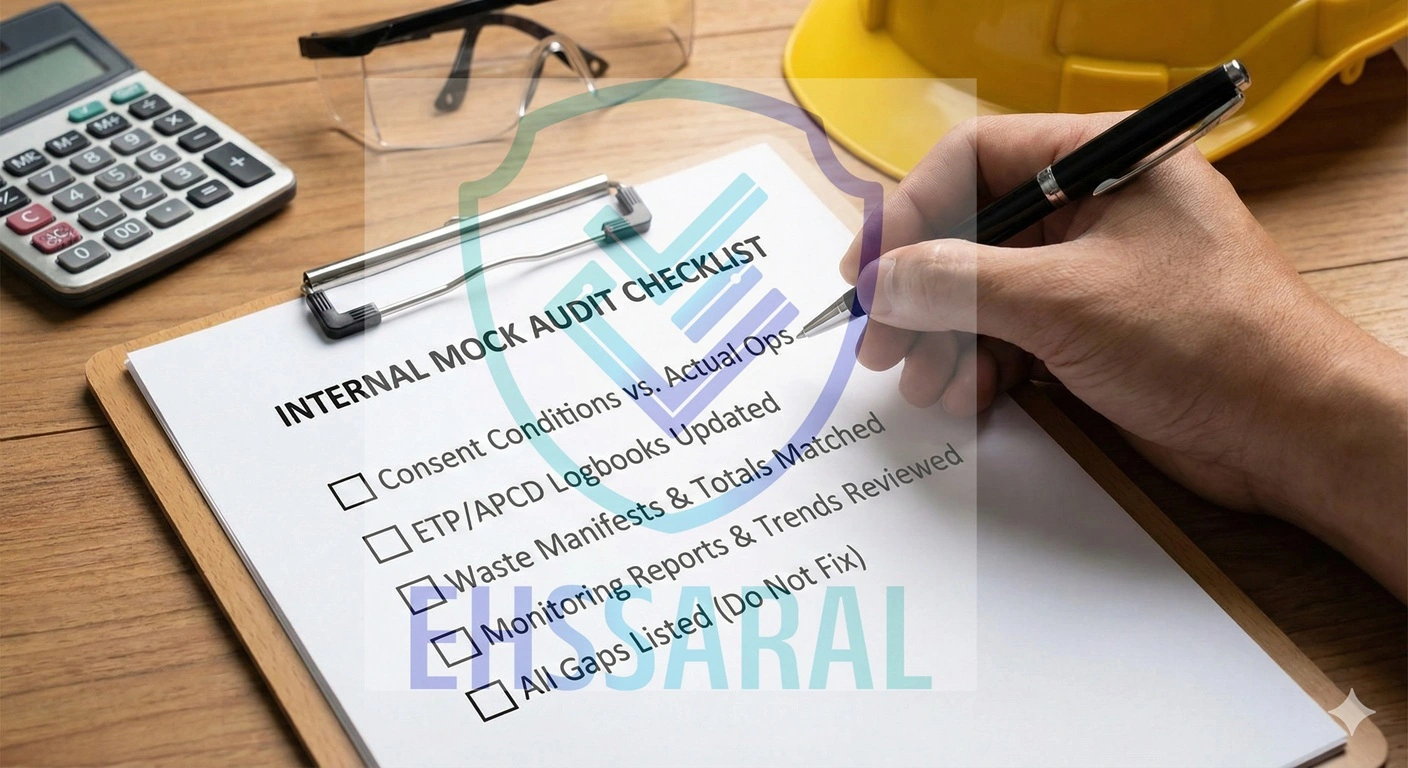
Don’t try to justify gaps.
Just list them.
Knowing your gaps is strength, not weakness.
This is important.
Earlier, many audits worked like:
That behaviour puts auditors at risk now.
So:
Professional calm helps more than defensive talk.
If you are a junior or mid-level officer, remember this:
You are not expected to:
Your responsibility is:
That is enough.
Most auditors respect sincerity and structure.
This new audit system is not only about control.
Over time, clean and independent audits become:
Good audits reduce future friction.
What feels strict today becomes normal tomorrow.
Since the EADA portal launched, our phone lines have been busy.
Many of you are asking:
“I have experience. Can I register as an auditor?”
The answer is Yes, but the process is strict.
You cannot simply “sign up.” You must be certified.
Here is what you need to know about the EADA Certification Scheme (2025):
1. The Two Routes to Entry
Route A (NCE): For professionals with less experience. You must pass a Computer-Based Test.
Route B (RPL): For veterans (10+ years experience). You undergo scrutiny and an interview.
2. Minimum Eligibility Criteria
Check this table before you apply. If you don't match this, the portal will reject you.
| Role | Qualification | Experience Required |
|---|---|---|
| Team Member | B.E./B.Tech (Civil/Env/Chem) OR M.Sc (Env/Chem/Microbio) | 1–2 Years |
| Auditor (Sch-I) | Same as above | 3–5 Years |
| Lead Auditor | Same as above | 5–10+ Years |
3. What Is in the Exam Syllabus?
If you plan to take the National Certification Exam, do not take it lightly. The syllabus covers:
Legislation: Water Act, Air Act, EPA, and recent 2025 Rules.
Audit Methodology: Pre-audit planning, on-site protocols, and post-audit reporting.
Technical Skills: Sampling locations, IS Codes for lab analysis, and mass balance calculations.
Cleaner Production: Technologies for waste minimization.
Important Note on Timelines:
The certification cycle is not open all year. It opens in batches (e.g., January/July).
If you missed the last date, do not panic. Use this time to prepare for the next cycle.
We will update the next exam notification dates on EHSSaral as soon as they are released.
Don’t fear the random auditor.
Fear undocumented operations.
Everything else can be handled.
Factories that adapt calmly will face less trouble, not more.
Compliance in India is becoming structured.
That is uncomfortable - but also stabilising.
Official Government Resources (Bookmark These) Don't rely on WhatsApp forwards. Check the official source.

Founder, EHSSaral
Founder - EHSSaral | Partner - Perfect Pollucon | ISO 14001 Lead Auditor | GHG Protocol Scope 2 | Chemist | Data Scientist | Second-generation environmental professional simplifying EHS compliance for Indian industries through practical, automated, tech-enabled, data driven compliance workflows.
Ultimate MPCB Form IV Checklist for Maharashtra Industries
Form V Late Filing Penalty: Steps After 30 September
Why BMW Inspections Feel Stricter Today (India) | EHSSaral
Environmental Consultancy Software: Beyond Excel & WhatsApp
Hazardous Waste Storage Rules in Indian Factories | EHSShala
SPCB Consent Conditions: Common Compliance Mistakes Explained | EHSSaral
Isokinetic Sampling Basics: Simple Guide for Stack Monitoring | EHSShala
Post-Grant Environmental Compliance Failures in India | EHSSaral Research
Bio-Medical Waste Management Rules, 2016 for Factories
Beyond the Helmet: Why Safety Compliance Alone Fails in Indian Factories | EHSSaral Research