
EHSShala
Environmental Incident Response Guide for Indian EHS Professionals | EHSShala
EHSSaral is an Environmental Compliance Intelligence Platform for Industries. Consent Intelligence • Alerts & Tasks • Incident Reporting • Form IV & V • Audit-Ready Records
See how EHSSaral works
11 Sep 2026
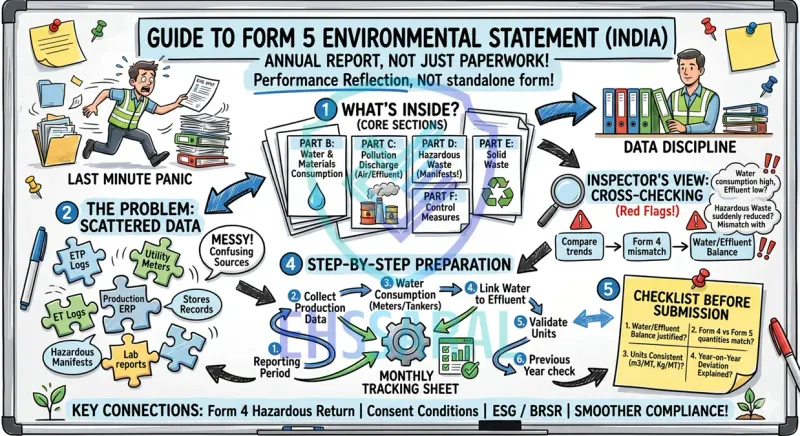
Form 5 Environmental Statement is an annual report submitted by industries in India under Environmental Protection Rules. It includes water consumption, raw material usage, pollution discharge, waste generation, and pollution control measures, helping regulators assess a plant’s environmental performance.
In many Indian plants, Form 5 is handled in a familiar way.
On paper, everything looks complete.
But during inspections, this is where questions start.
Because from a practical standpoint, Form 5 is not just a document.
It is one of the few places where your entire environmental performance comes together in one view.
And when all data comes together - inconsistencies also become visible.
Form 5 is an annual environmental performance report that certain industries in India are required to submit under the Environmental (Protection) Rules.
It typically includes:
Most professionals see it as:
“A form we need to fill every year”
But from an operational perspective, it is closer to:
“A summary of how efficiently and consistently your plant is managing environmental resources”
See here Environmental Statement Form V pdf
In general, Form 5 is applicable to:
The exact applicability may vary slightly by state, but in day-to-day operations:
If your plant has ETP, hazardous waste, or significant water usage -
you are most likely required to submit Form 5.
ETP & STP Troubleshooting: The Complete Indian Guidedead
Form 5 Environmental Statement is generally required to be submitted on or before 30 September every year for the financial year ending on 31 March.
For example:
| Financial Year | Form 5 Due Date |
|---|---|
| 2025–26 | 30 September 2026 |
| 2026–27 | 30 September 2027 |
Many industries begin compiling data only a few weeks before the deadline. In practice, this is one of the biggest reasons for data mismatches, missing records, and last-minute corrections.
A better approach is to reconcile production, water consumption, hazardous waste generation, and monitoring data throughout the year so that Form 5 becomes a verification exercise rather than a data reconstruction exercise.
See how to collect Form V data every month instead of reconstructing it at year-end.
This is where most confusion begins.
Many plants operate with this assumption:
“If our results are within limits, compliance is fine.”
But Form 5 is not about limits.
It is about consistency and linkage across data.
Over the years, we’ve seen that Form 5 is often used by inspectors to:
For example:
This is why:
Form 5 does not create compliance.
It only reveals how strong your internal tracking system is.
Read more about Environmental Compliance Checklist by our Perfect Pollucon Team
In day-to-day plant operations, environmental data does not sit in one system.
It is spread across:
Each department maintains its own version.
When Form 5 preparation starts:
This is why Form 5 becomes:
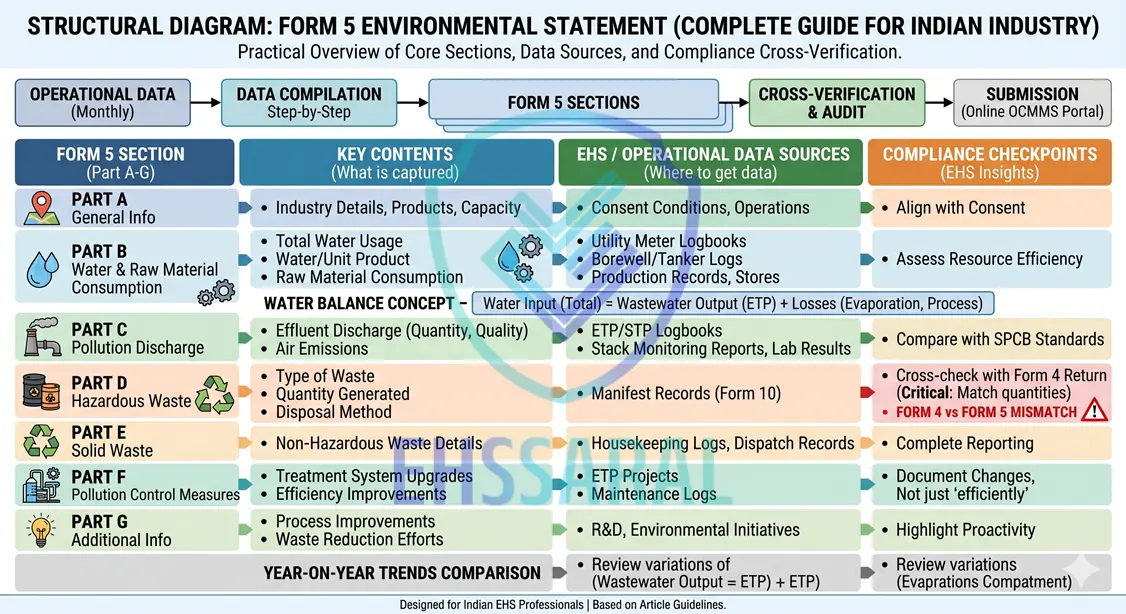
Before going into calculations, it helps to understand what each section is trying to capture.
Basic details:
This section seems simple, but even here:
This is one of the most important sections.
It includes:
From a practical standpoint, this section answers:
“How efficiently is your plant using resources?”
Details related to:
This is where:
all come together.
This section captures:
This must align closely with Form 4.
Non-hazardous waste details:
Often overlooked, but still important for completeness.
Information on:
Part F is not only about listing pollution control equipment or environmental initiatives. It is also intended to demonstrate whether those measures resulted in measurable environmental improvements.
Examples include:
Where possible, industries should quantify these improvements.
| Initiative | Environmental Benefit | Cost Impact |
|---|---|---|
| Condensate recovery system | Reduced fresh water consumption | Lower water procurement cost |
| Solvent recovery unit | Reduced hazardous waste generation | Lower raw material purchase cost |
| LED lighting conversion | Reduced electricity usage | Lower energy bills |
| Process optimization | Reduced chemical consumption | Reduced operating cost |
Many organizations focus only on environmental benefits. However, documenting both environmental and operational benefits often creates a stronger environmental performance narrative.
Any extra details:
Many EHS professionals search for a ready-to-use Form 5 format while preparing their annual environmental statement.
To make the process easier, we have provided downloadable versions of:
These formats can help you understand the structure of the form, required information, and the type of data typically reported during annual submission.
The sample provided is intended only for educational and reference purposes.
Every industry has different:
Always verify that the information reported in your Form 5 matches your actual plant records, consent conditions, monitoring reports, and hazardous waste returns.
Many industries use previous year's Form 5 as a starting point. While this may save time, values should never be copied without verification.
People Also Search For
Before filling anything, one clarity is required:
Form 5 is not filled from one source.
It is built by connecting multiple datasets.
Here is how it typically maps in a real plant:
| Data Required | Source in Plant | Used In Form 5 Section |
|---|---|---|
| Water consumption | Utility meter logbook | Part B |
| Production quantity | Production records / ERP | Part B |
| Raw material usage | Stores / purchase records | Part B |
| Effluent generation | ETP logbook | Part C |
| Air emissions | Stack monitoring reports | Part C |
| Hazardous waste | Manifest records | Part D |
| Solid waste | Housekeeping / dispatch logs | Part E |
This is where confusion usually starts.
Because:
Unless this mapping is clear:
Form 5 becomes guesswork instead of reporting.

Instead of jumping directly into the form, a structured approach works better.
Ensure:
This becomes the base.
Because:
all depend on production quantity.
From:
Ensure:
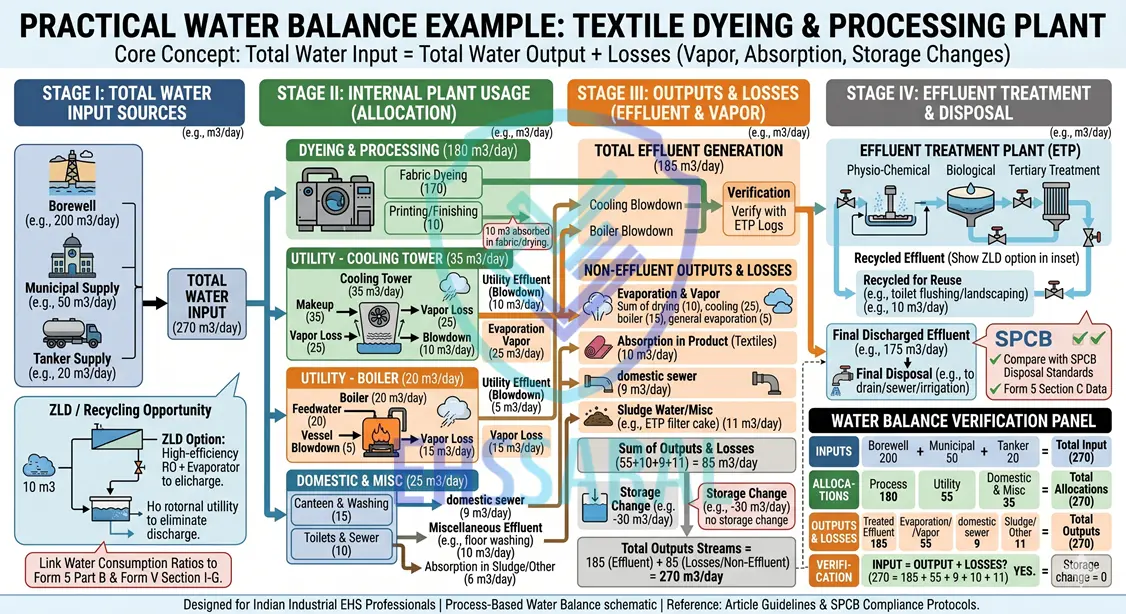
This is a key check.
In most plants:
Water in ≠ Water out (due to evaporation, product usage)
But:
From:
Cross-check:
One of the most common issues.
Examples:
Even small mistakes here create big inconsistencies.
Inspectors often compare trends.
So check:
If changes exist:
Read more about Why Form 4 & Form 5 Numbers Don’t Match - Real Industry Reasons
Earlier, Form 5 was submitted physically.
Now, most State Pollution Control Boards use:
From a practical standpoint:
This creates a new challenge:
Even if your calculations are correct,
formatting errors during portal entry can create inconsistencies.
To make this real, let’s take a mid-sized chemical manufacturing unit.
| Month | Production (MT) |
|---|---|
| Apr-Jun | 280 |
| Jul-Sep | 320 |
| Oct-Dec | 300 |
| Jan-Mar | 300 |
| Total | 1,200 MT |
This number is critical because:
All consumption and waste generation ratios depend on this.
Read more Form V Data Variation: How to Explain Changes in Water, Raw Material, Pollution and Waste
| Source | Annual Consumption |
|---|---|
| Borewell | 9,000 m³ |
| Tanker | 3,000 m³ |
| Total | 12,000 m³ |
This goes into Part B of Form 5.
In many plants:
If tanker data is not recorded properly:
→ Total water consumption becomes unreliable
→ This affects all downstream calculations
| Parameter | Value |
|---|---|
| Total Effluent Generated | 8,400 m³ |
| Treated & Discharged | 7,800 m³ |
| Loss (evaporation, process) | 600 m³ |
Compare:
Difference = 3,600 m³
This difference should be explainable through:
If not explained:
This is one of the first questions during inspection.
From stack monitoring reports:
| Parameter | Observed Value | Standard |
|---|---|---|
| PM | 110 mg/Nm³ | 150 mg/Nm³ |
| SO₂ | 60 mg/Nm³ | 100 mg/Nm³ |
This goes into Part C.
Read more Stack Monitoring Basics for Indian Factories by EHSShala
Inspectors don’t just see:
They also see:
| Waste Type | Quantity Generated (MT/year) | Disposal Method |
|---|---|---|
| ETP Sludge | 180 | TSDF |
| Spent Solvent | 90 | Recycling |
| Contaminated Containers | 25 | Authorized vendor |
Total Hazardous Waste = 295 MT
Let’s assume:
Difference = 15 MT
Inspector will ask:
Even if everything else is perfect:
This single mismatch can lead to queries or notices.
| Industry | Key Resource Tracked | Key Waste Stream | Typical Focus Area |
|---|---|---|---|
| Chemical Manufacturing | Water, solvents | ETP sludge, spent solvents | Water balance and hazardous waste |
| Textile Processing | Water, dyes, chemicals | ETP sludge | Water consumption per unit production |
| Pharmaceuticals | Solvents, purified water | Process residue and sludge | Solvent recovery and waste minimization |
| Food Processing | Water and steam | Organic sludge | Water efficiency and organic waste management |
| Engineering Industry | Oils and coolants | Used oil and contaminated cotton waste | Hazardous waste tracking and disposal |
Every industry uses the same Form 5 format. However, the data sources, waste streams, and environmental priorities can vary significantly. This is one reason why copying another industry's filled sample often creates reporting errors.
In many Indian plants:
Many industries focus only on reporting the quantity of waste generated. However, auditors and regulators are often interested in understanding the nature of the waste as well.
For example, two facilities may each generate 100 MT of waste annually, but the environmental implications can be very different depending on composition and disposal method.
| Waste Type | Typical Composition | Common Disposal Route |
|---|---|---|
| ETP Sludge | Metal hydroxides, organics, suspended solids | TSDF |
| Used Oil | Lubricants and hydrocarbons | Authorized recycler |
| Spent Solvent | Organic solvents | Recovery or recycling |
| E-Waste | Circuit boards, electronic components | Authorized dismantler |
| Contaminated Containers | Residual chemicals and packaging | Authorized recycler |
From a practical standpoint, proper waste characterization improves disposal planning, strengthens record keeping, and helps ensure consistency between Form 4, manifests, disposal certificates, and Form 5 reporting.
| Waste Type | Quantity |
|---|---|
| Packaging waste | 40 MT |
| Scrap material | 20 MT |
Even though non-hazardous:
Typical entries:
Avoid writing:
Instead write:
Based on real observations:
Small mistake → large inconsistency
Example:
Without explanation → looks suspicious
Very common.
But:
If numbers don’t reflect this:
It becomes visible immediately.
This is where understanding changes everything.
Inspectors usually don’t read Form 5 line-by-line first.
They look for:
They mentally connect:
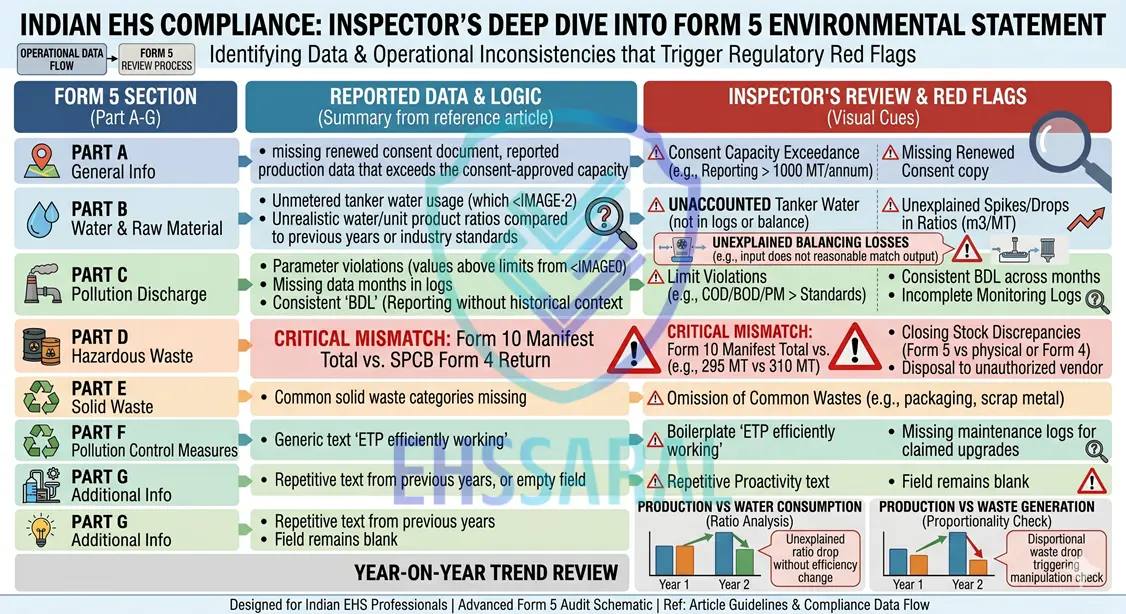
From experience:
Inspectors trust patterns more than numbers.
If your data shows:
Even minor deviations can be explained.
But if data looks disconnected:
Let’s take a real-type scenario.
Inspector notices:
If prepared:
In many plants, Form 5 starts in March.
That’s the root problem.
| Time | Activity |
|---|---|
| Throughout year | Monthly data recording |
| Jan-Feb | Preliminary compilation |
| March | Reconciliation |
| Before submission | Final validation |
In day-to-day operations, teams focus on filling the format.
But from a practical standpoint, submission should only happen after validation.
Here is a simple checklist that works in real plant conditions:
In many inspections, this is the first cross-check done.
Check every value once again.
Because during inspection:
Data without backup is treated as assumption.
This is a common real-world situation.
In many plants:
This creates:
If data is genuinely missing:
Example:
If tanker water records are missing:
Inspectors are more comfortable with explained estimates
than perfect but inconsistent numbers
Many professionals treat Form 5 as a standalone document.
But in reality, it sits at the center of multiple compliance layers.
Mismatch → immediate query
Should align with submitted reports
If production exceeds consent capacity:
For plants following ISO 14001:
This is an emerging shift in many Indian companies.
Earlier:
Now:
If Form 5 data is:
Form 5 is the base layer of environmental data
for future sustainability reporting
From experience, there is a clear difference between two types of plants.
Not expertise.
Not software.
It is:
Whether data is tracked regularly or not.
Without overcomplication, even a basic system can help.
If this is updated monthly:
In many Indian plants, Form 5 is seen as:
But over the years, one pattern is clear:
Plants that struggle with Form 5
are not struggling with the form -
they are struggling with data discipline.
Form 5 is not something you prepare in March.
It is something you build:
When this is done right:
Yes, if exact data is not available.
But:
In many cases:
But:
In most SPCBs:
Usually:
But:
Depends on SPCB process.
In practice:
Mismatch between:
No.
Compliance also depends on:

Founder, EHSSaral
Founder - EHSSaral | Partner - Perfect Pollucon | ISO 14001 Lead Auditor | GHG Protocol Scope 2 | Chemist | Data Scientist | Second-generation environmental professional simplifying EHS compliance for Indian industries through practical, automated, tech-enabled, data driven compliance workflows.
Environmental Incident Response Guide for Indian EHS Professionals | EHSShala
Hazardous Waste Management Software India | EHSSaral
Evolution of EHS in India - (Part 2) Post-Bhopal | EHSShala
The ZLD Mass Balance Trap: How Auditors Calculate Effluent Using Your Water Bills | EHSSaral
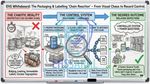
Hazardous Waste Packaging & Labelling in India (Inspector Guide) | EHSShala
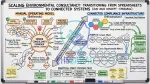
Environmental Consultancy Software: Beyond Excel & WhatsApp

EHSShala Consent - SPCB Consent System Explained| EHSShala
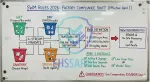
SWM Rules 2026: Is Your Factory a Bulk Waste Generator? | EHSSaral
 EHSSaral v1.png)
Blue Category MPCB 3-Year Consent Validity for Recyclers (2026) | EHSSaral
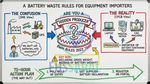
Battery Waste Registration for Equipment Importers (BWM Rules 2022 Explained) | EHSSaral