
Blog
EBWGR Certificate: Eligibility, Process, Cost & Records
EHSSaral is an Environmental Compliance Intelligence Platform for Industries. Consent Intelligence • Alerts & Tasks • Incident Reporting • Form IV & V • Audit-Ready Records
See how EHSSaral works
20 Aug 2026
If you haven’t cleared Consent Level, go back and read it first.
Hazardous Waste becomes confusing very fast without basics.
Go Through other Levels As well:
Hazardous Waste is where most environmental penalties happen in India.
Not because factories want to violate rules.
But because:
Many EHS officers manage air and water confidently,
but feel nervous when hazardous waste inspection starts.
This level exists to remove that fear.
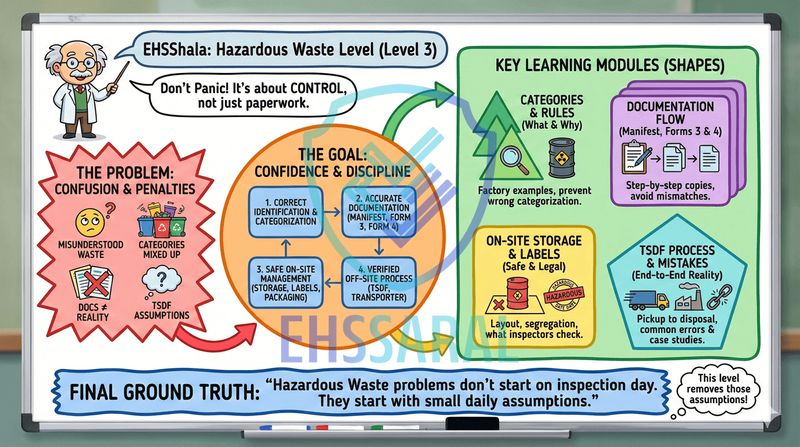
Hazardous Waste is not about paperwork alone.
It is about control, traceability, and daily discipline.
By the end of this level, you should clearly understand:
This level focuses on what usually goes wrong, not just what rules say.
A complete, ground-level explanation of Hazardous Waste Rules in India.
Understand applicability, responsibilities, authorisation logic and common misunderstandings - without legal language.
Clear explanation of hazardous waste categories with factory-floor examples.
Learn how wrong categorisation creates long-term compliance problems.
Step-by-step explanation of the manifest system.
What each copy means, who keeps what, and where mismatches usually happen.
A practical guide to maintaining Form 3.
What to enter, how often, what inspectors cross-check, and common mistakes.
Understand how Form 4 is prepared, why figures don’t match, and how to avoid last-minute panic during filing.
How hazardous waste should be stored on site - layout, segregation, labelling, dates, and safety practices that inspectors actually observe.
What kind of bags, drums, markings and labels are expected.
Why small labelling mistakes become inspection observations.
End-to-end explanation of the TSDF process.
From transporter arrival to final disposal - including common assumptions that create risk.
A reality-based list of mistakes seen across small, medium and large factories.
These are patterns, not exceptions.
Practical, anonymised situations from Indian industries.
What went wrong, why it happened, and what could have been done differently.
Read Article →
EHS officers, compliance managers and plant teams who handle waste storage, disposal, documentation and inspections.
No. Most issues arise from wrong identification, poor storage, and weak control, not from forms alone.
Because it involves off-site movement, third-party vendors, and long audit trails. Small gaps get noticed easily.
Yes. This level focuses on what inspectors usually look at first, and where questions usually begin.
Yes - if they apply what is explained here consistently on site.
“Hazardous Waste problems don’t start on inspection day.
They start with small daily assumptions.”
This level is designed to remove those assumptions.

Founder, EHSSaral
Founder - EHSSaral | Partner - Perfect Pollucon | ISO 14001 Lead Auditor | GHG Protocol Scope 2 | Chemist | Data Scientist | Second-generation environmental professional simplifying EHS compliance for Indian industries through practical, automated, tech-enabled, data driven compliance workflows.
EBWGR Certificate: Eligibility, Process, Cost & Records
Environmental Consultancy Software: Beyond Excel & WhatsApp
Hazardous Waste Storage Rules in Indian Factories | EHSShala
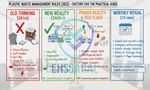
Plastic Waste Management Rules in India: A Practical Guide for Factories, Warehouses and Offices
 EHSSaral.webp)
Environmental Monitoring Mistakes in Indian Factories (Real Issues Explained)
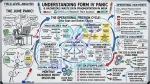
Why Form IV Filing Becomes Difficult for Indian EHS Teams: A Field-Level Analysis
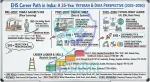
EHS Officer Career Path in India (2025–2050 Guide) | EHSShala

EHSShala Consent - SPCB Consent System Explained| EHSShala
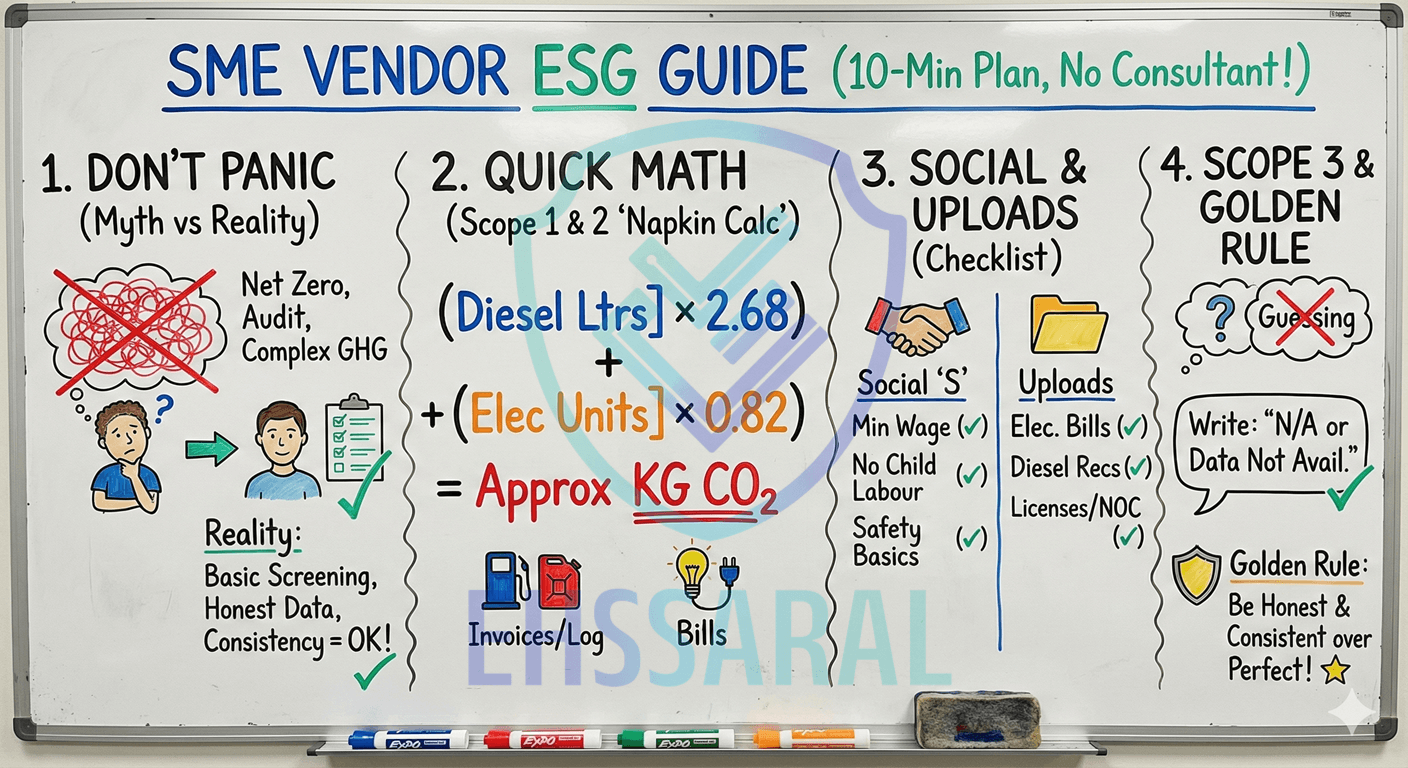
How to Fill ESG & Sustainability Vendor Forms for SMEs in India
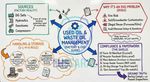
Used Oil & Waste Oil Management in India - Factory & EHS Guide | EHSShala